Why the Fragrance Community Turned on Designer Houses

How online communities redefined luxury and left traditional perfume houses scrambling
The revolution started with star ratings and comment sections. What began as simple fragrance reviews on community platforms morphed into something far more powerful: a complete dismantling of traditional prestige hierarchies in perfume.
For decades, designer houses operated on inherited authority. Their names carried weight not because their fragrances were necessarily superior, but because the infrastructure of luxury told us they were. Glossy campaigns, department store placement, celebrity endorsements, and the whole apparatus of traditional marketing created an ecosystem in which price often determined perceived quality.
Then came the democratization of fragrance knowledge.
Online fragrance communities gave enthusiasts direct access to information that was previously gatekept by industry insiders. Suddenly, anyone could learn about synthetic molecules, natural extraction methods, and the actual cost structures behind luxury fragrance. The mystique began to crack.
What these communities discovered wasn't pretty. Many designer fragrances relied heavily on synthetic bases, often using the same aromachemicals across multiple releases. The markup between production costs and retail prices became impossible to ignore once people understood what they were actually buying.
Find Your Scent
While the industry chases trends, your signature scent is already waiting.
Take the Scent Quiz →
The fragrance community's response was swift and unforgiving. Designer houses found themselves facing something they'd never encountered: an informed consumer base that could smell reformulations, identify cost-cutting measures, and call out marketing nonsense in real time.
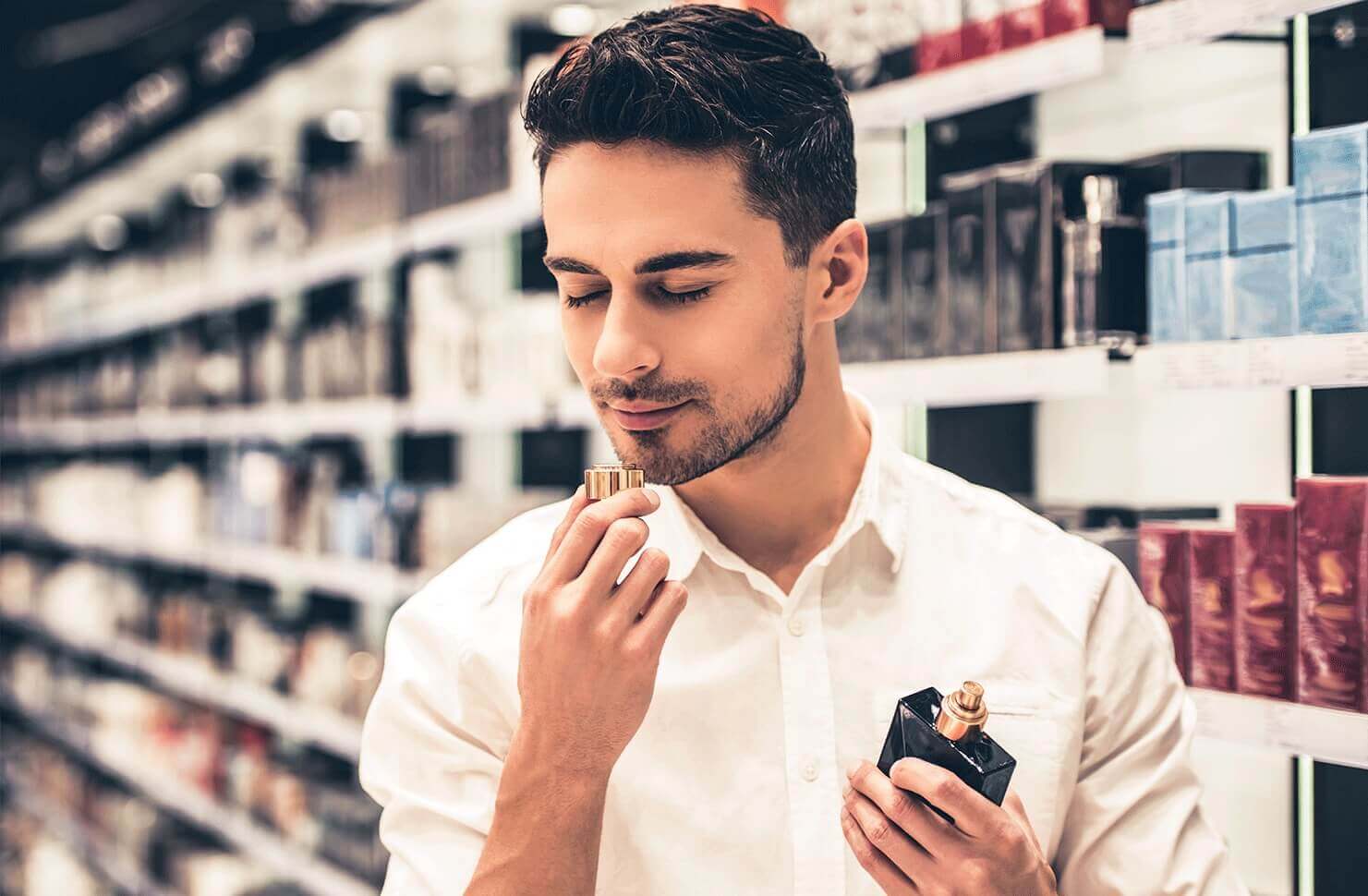
Forums and review sites became breeding grounds for a new kind of fragrance snobbery one based on actual knowledge rather than brand recognition. Enthusiasts started celebrating niche houses and independent perfumers who prioritized quality over marketing budgets. The conversation shifted from "What does this brand represent?" to "What's actually in this bottle?"
When consumers can smell the difference between artistry and assembly line production, traditional luxury loses its protective mythology.
Designer houses initially tried to weather the storm by doubling down on traditional marketing tactics. But community-driven platforms had fundamentally changed how fragrance discovery worked. A single negative review from a respected community member could tank a launch more effectively than any traditional competitor.
The most damaging shift was cultural. The fragrance community developed its own taste hierarchy that often ran counter to mainstream luxury positioning. Heavy sillage monsters were dismissed as amateur. Complex, subtle compositions were celebrated. Natural ingredients became badges of honor. Reformulations were treated as betrayals.
This wasn't just about fragrance quality, it was about respect. The community felt that designers had been exploiting consumers' ignorance for years, charging premium prices for mass-market compositions. The backlash was less about any single fragrance and more about decades of accumulated frustration.
The reckoning forced some designer houses to pivot toward transparency and quality, while others doubled down on celebrity partnerships and mass appeal. But the damage to their cultural authority was permanent. The fragrance community had learned to trust their own noses over marketing campaigns.
At MAIR, fragrance has never been about inherited prestige. It has always been about knowing yourself well enough to choose a scent that says something true.
When you understand what makes a composition exceptional, the quality of raw materials, the intention behind each note, the artistry of a blend that moves with your skin instead of sitting on top of it, you stop asking what other people think of your choice. You start asking how it makes you feel when you walk into a room.
That is what real luxury does. It doesn't announce itself. It confirms something you already knew about yourself.
Find Your Scent
While the industry chases trends, your signature scent is already waiting.
Take the Scent Quiz →.